
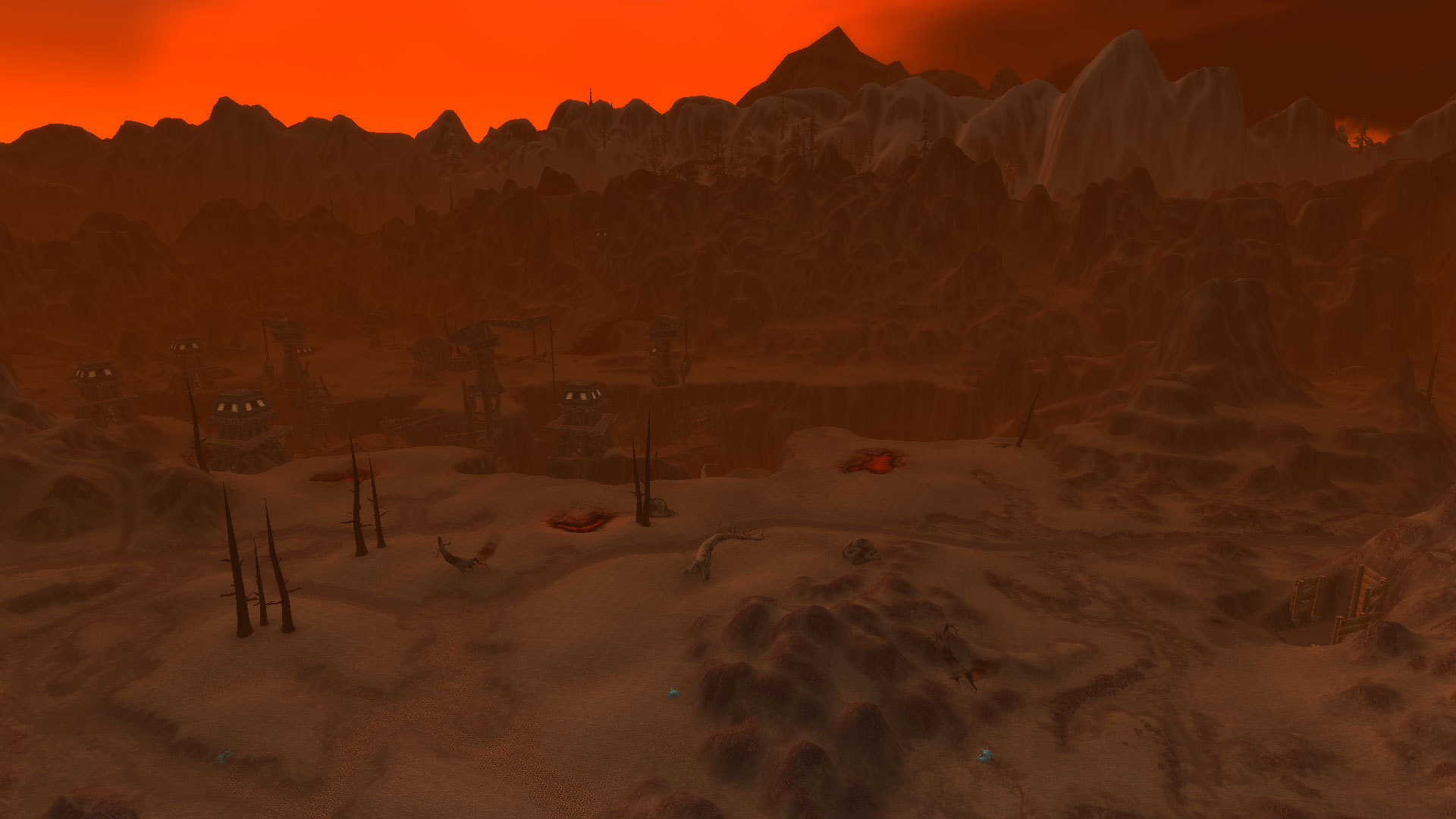
The journey to obtain a legendary item in World of Warcraft has seen significant evolution over the years, most notably when contrasting the random number generator (RNG) drops in Classic with the structured questlines introduced in Mists of Pandaria (MoP). In Classic, players were often at the mercy of luck, grinding through dungeons and raids in hopes of securing a coveted drop from a boss. In contrast, MoP introduced a more narrative-driven approach, guiding players through a series of quests that culminated in the acquisition of a legendary item. This guide will delve into the differences in these two systems, examining the impact on player experience, community dynamics, and the overall pursuit of legendary gear.
Understanding the RNG System in Classic
In Classic WoW, the acquisition of legendary items was heavily reliant on RNG, resulting in a high level of frustration and excitement among players. Legendary drops were rare, often requiring multiple runs of the same raid or dungeon to increase the chances of obtaining one. The randomness of drops meant that players could see guildmates receiving legendary items while they themselves faced long stretches without any luck. This system led to a vibrant economy built around crafting and trading, as players sought ways to improve their chances, whether through acquiring crafting materials or forming groups for high-level raids. The thrill of finally receiving a legendary item was often overshadowed by the long, arduous grind and the potential for disappointment from countless wipes and failed attempts.
The Questline Approach in Mists of Pandaria
In stark contrast, Mists of Pandaria’s legendary questline provided a more guided experience for players seeking legendary items. The questline evolved through multiple stages, requiring players to engage with various aspects of the game, including PvE, PvP, and reputation grinds. This approach not only offered a clearer path to obtaining a legendary item but also allowed players to feel a greater sense of accomplishment as they progressed through the narrative. Importantly, the questline was designed to be completed by all players, ensuring that everyone had the opportunity to earn their legendary, regardless of their luck with RNG. The inclusion of lore and character development made the legendary items feel more meaningful and integrated into the overall story of the expansion.
Impact on Player Experience
The divergence between RNG drops and the structured questline significantly impacted player experience. In Classic, the anticipation of a drop could lead to intense feelings of elation or despair, fostering a sense of community as players banded together to tackle difficult encounters. However, this often resulted in jealousy and frustration, particularly in guilds where one player might receive multiple legendaries while others were left empty-handed. In contrast, the MoP questline fostered a more inclusive atmosphere, where players could collaborate on achieving a common goal. This shift not only improved morale but also encouraged players to engage with different game modes, which ultimately enhanced the longevity of the expansion. The following table illustrates the primary differences in player experience between the two systems:
| Aspect | Classic RNG Drops | MoP Questline |
|---|---|---|
| Acquisition Method | Random Drops | Structured Questline |
| Player Engagement | High Variability | Consistent Engagement |
| Community Dynamics | Competitive | Collaborative |
| Feelings of Accomplishment | High/Low Based on Luck | Consistent Progression |
The Role of Lore and Narrative
The integration of lore into the acquisition of legendary items was another significant difference between Classic and MoP. In Classic, while some legendaries had backstories, the emphasis was primarily on their power rather than their narrative significance. Players often viewed legendary items as mere status symbols rather than integral parts of the game’s lore. Conversely, MoP’s approach emphasized storytelling, with each step of the questline unveiling more about the history of the legendary item and its connection to the world of Azeroth. This narrative depth not only enhanced the player’s connection to the item itself but also the overarching storyline of the expansion, making the legendary acquisition feel like a pivotal chapter in their character’s journey.
Conclusion: The Evolution of Legendary Items
In conclusion, the evolution from RNG drops in Classic to the questline approach in Mists of Pandaria represents a significant shift in how legendary items are perceived and obtained in World of Warcraft. While the thrill of chance and the excitement of a rare drop still hold a special place in players’ hearts, the structured questlines of MoP offered a more inclusive and rewarding experience. As the game continues to evolve, it will be interesting to see how future expansions build upon these concepts, balancing the allure of RNG with the desire for narrative-driven gameplay. Players can look forward to new adventures as the story of legendary items continues to unfold, shaping their experience in the ever-expanding universe of Azeroth.