
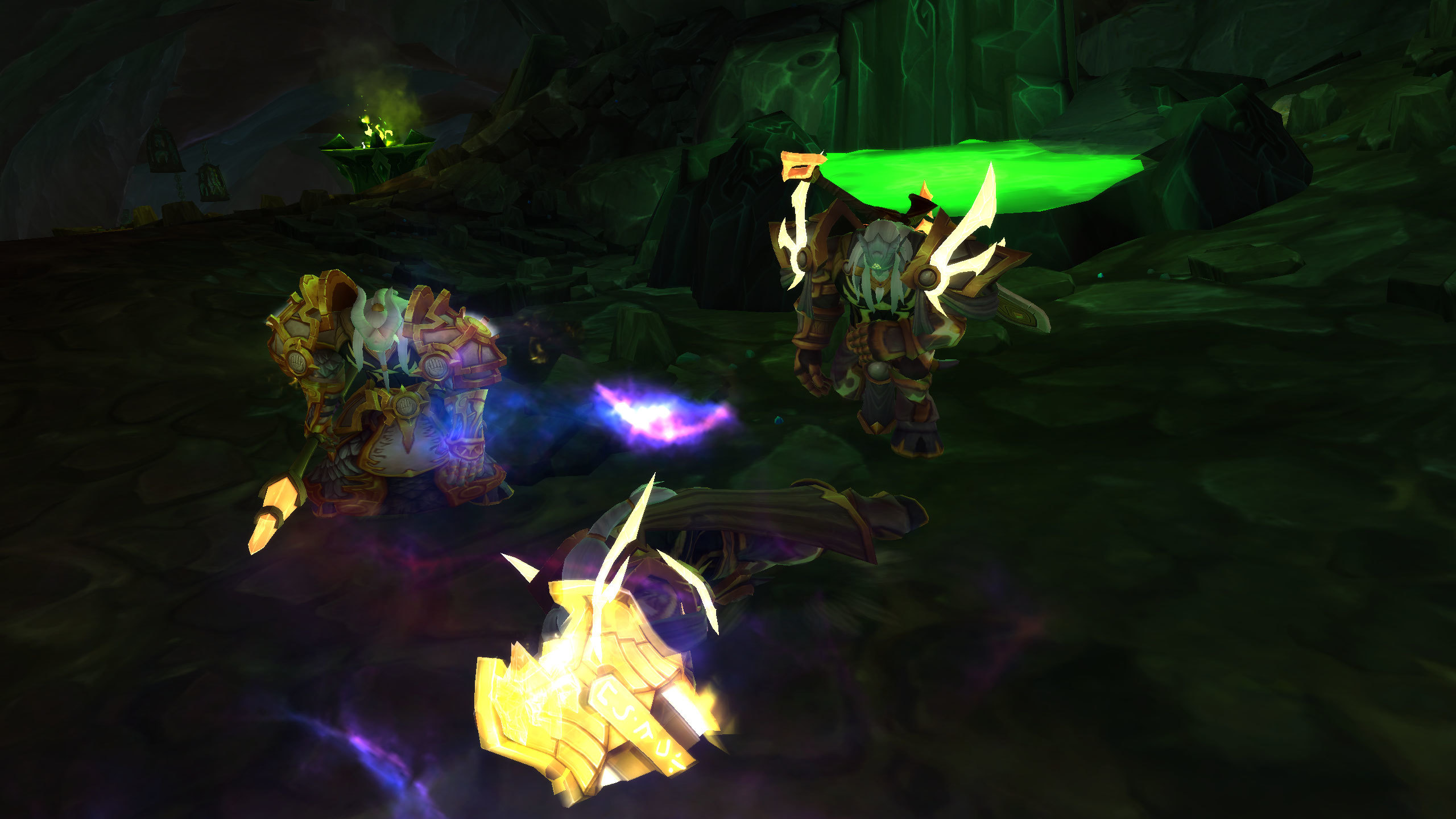
In timed content like Mythic+ and fast-paced raid trash pulls, the tank’s efficiency is determined not just by mitigation, but by the swiftness of their threat acquisition. The Speed of Aggro Pickup is the critical **Tank Response Metric** that governs the encounter pace. This speed separates tanks who facilitate **Immediate Mob Engagement**—where DPS can unleash their rotation instantly—from those causing **Wasted DPS Downtime**—where the group must wait for the tank to establish threat, or worse, struggle with initial aggro loss.
This analysis details the techniques for achieving near-instantaneous aggro, the required resource banking, and how precise pickup speed prevents the lethal consequences of unmanaged initial threat.

The Cost of Slow Threat Acquisition
When a pull begins, DPS immediately start generating massive burst damage. If the tank’s initial threat generation (aggro pickup) is slow, DPS must pause or severely restrict their rotation to avoid pulling threat off the tank. This pause is the definition of **Wasted DPS Downtime**, directly translating into slower clear times and reduced efficiency.
Immediate Mob Engagement, conversely, means the tank has secured aggro on all targets within the first 1-2 GCDs, allowing DPS to proceed with their full, aggressive opening rotation without fear of threat overflow.
The Opening Response Metric: 1.5 Second Aggro
The target for high-level tanking is to achieve 100% aggro across all pulled mobs within approximately 1.5 seconds (one GCD) of engagement. This is accomplished through a strategic opening sequence:
- Pre-Pull Resource Generation: Banking maximum resources (e.g., Rage, Pain, or specific stacks) before engaging to fuel immediate threat abilities.
- Immediate Ranged Tag: Using a long-range ability (like Avenger’s Shield or Death and Decay) as the pull begins to establish initial threat on scattered mobs.
- Core Area Threat: Following the ranged tag with a core, high-threat AoE ability (e.g., Thunder Clap or Soul Cleave) to lock down all mobs currently stacked near the tank.
Tanks who rely on running into the pack before initiating threat are inherently slow, leading to the risk of a DPS instantly pulling a mob that was slightly outside the initial impact zone.
Tools and Techniques for Instantaneous Threat

The speed of aggro pickup is heavily reliant on specific class tools:
| Tank Class | Immediate Threat Tool | Response Metric Advantage |
|---|---|---|
| Protection Paladin | Avenger’s Shield / Consecration | High-impact ranged tag followed by persistent AoE. |
| Vengeance DH | Infernal Strike / Fiery Brand | High mobility for quick positioning and sustained high AoE threat. |
| Blood DK | Death and Decay / Blood Boil | Persistent, ground-targeted threat that mobs run into. |
A disciplined tank uses these tools in the ideal sequence to ensure no target is missed during the critical opening seconds of the fight.
The Consequence of Slow Pickup: Aggro Loss
When a tank’s response metric is slow, the DPS output often exceeds the tank’s threat generation, resulting in a crucial mob breaking off the tank and attacking a DPS or Healer. This Aggro Loss triggers several immediate failures:
- Healer Panic: Forced to divert resources to the suddenly vulnerable DPS.
- DPS Rotational Interruption: Forced to use defensive abilities or stop DPS entirely.
- Positional Chaos: The loose mob runs to the backline, often triggering additional trash packs or lethal positional mechanics.

Swift aggro pickup is thus a primary form of defensive control and time management.
Conclusion
The Speed of Aggro Pickup is the definitive Tank Response Metric for efficient content execution. By aggressively utilizing pre-pulled resources and high-impact threat abilities in the first 1.5 seconds, tanks ensure Immediate Mob Engagement, eliminating Wasted DPS Downtime. This discipline guarantees the fight begins with maximum control and efficiency, setting the pace for a successful run.