
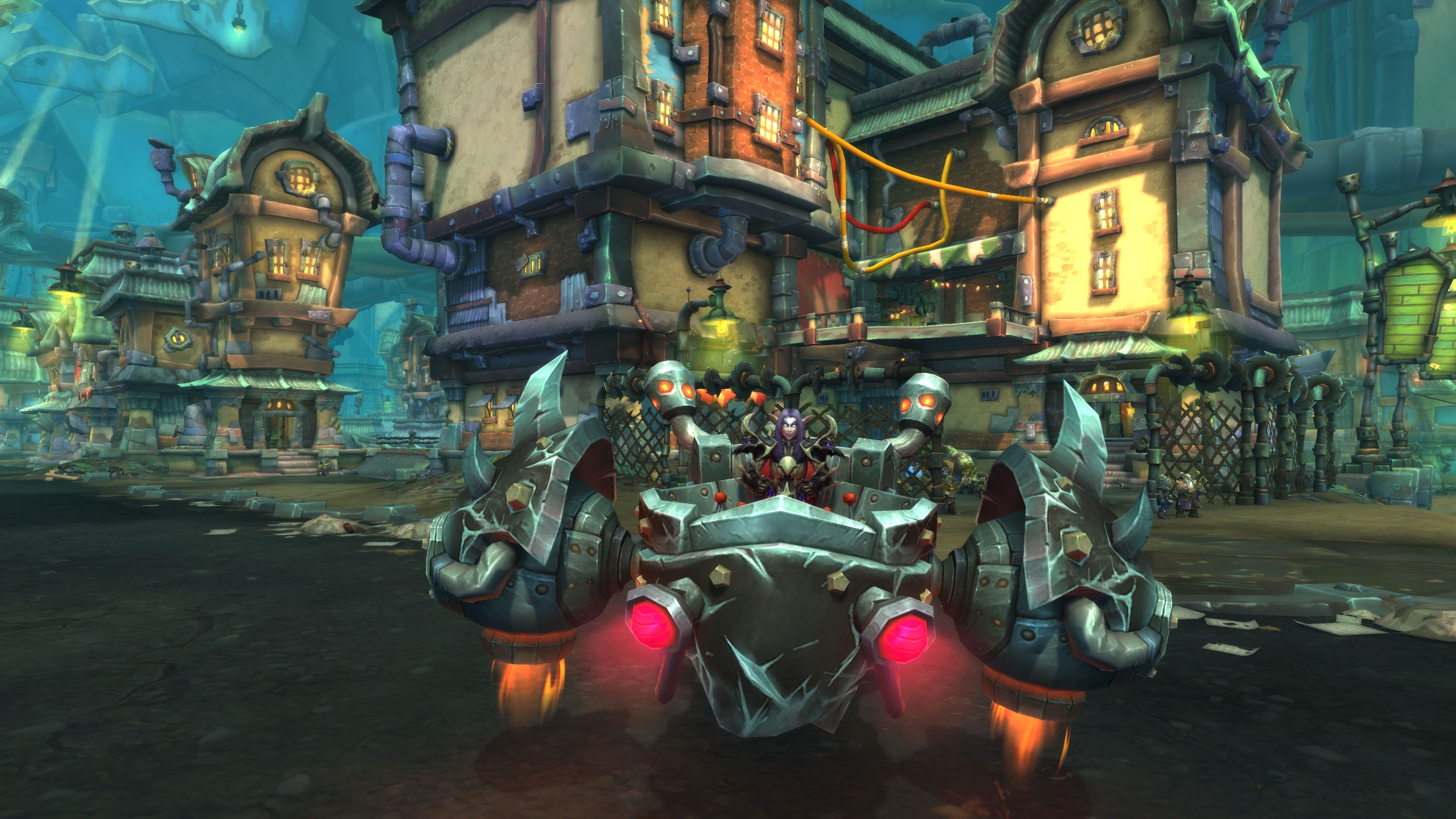
Each expansion has introduced major changes to the game’s mechanics, class balance, and overall experience. Some expansions have been praised for innovation, while others have been criticized for controversial decisions. This article examines how expansions have shaped the game over the years.
Class Overhauls and Talent Changes
Expansions frequently rework class mechanics, sometimes for better, sometimes for worse.
Major Class Changes Over the Years:
- Cataclysm: Introduced a new talent system that simplified progression.
- Legion: Brought class-specific artifact weapons and spec identity.
- Shadowlands: Reintroduced classic talent-like choices through Covenants.
While class changes add variety, they can also alienate players who enjoy a specific playstyle.
Leveling and World Content
Each expansion has modified how players experience leveling and open-world content.
Key Leveling Changes:
- Wrath of the Lich King: Streamlined questing with better narrative flow.
- Warlords of Draenor: Introduced bonus objectives and treasure hunting.
- Shadowlands: Implemented level squish and Chromie Time.
Some expansions focused on exploration, while others leaned into structured quest hubs.
Endgame Progression – From Raids to Mythic+
The way players experience endgame content has evolved significantly.
Notable Endgame Developments:
- Burning Crusade: Introduced Heroic dungeons and structured raiding tiers.
- Mists of Pandaria: Brought flexible raiding and world bosses.
- Legion: Introduced Mythic+ dungeons, adding infinite replayability.
Each expansion has built on the endgame, offering more options for different playstyles.
Conclusion
Expansions have continuously reshaped the way the game is played. Some changes have been embraced, while others have sparked debate. However, one thing remains certain—each expansion brings fresh experiences that keep players engaged.
Home